
—
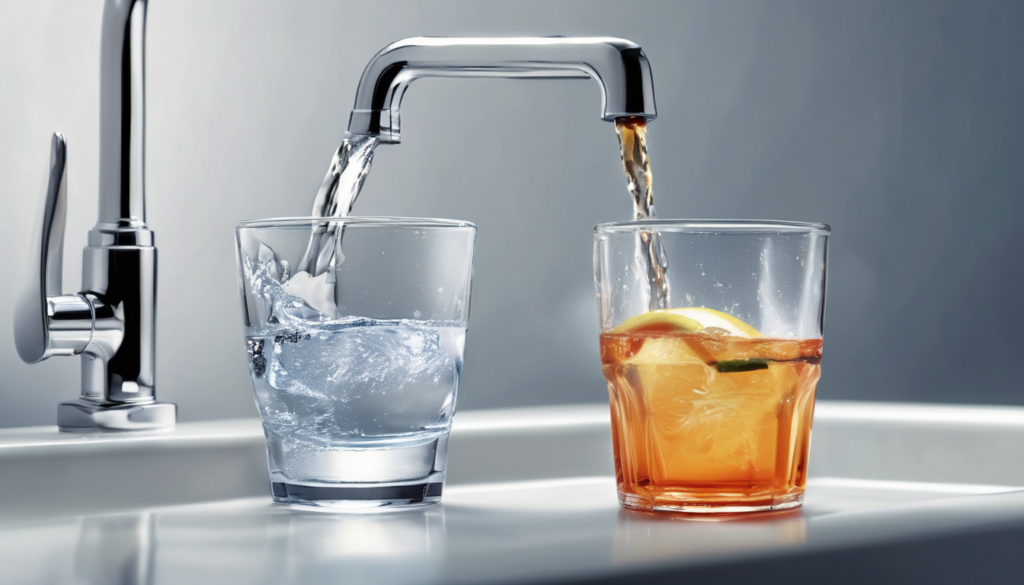
Lead contamination in drinking water is a serious health concern, especially for families with young children and elderly members. This article guides you through the process of reducing lead levels using advanced filtration technologies and best practices. By understanding the common causes of lead contamination and exploring effective solutions, you can ensure your family has safe, clean water to drink.
Lead can enter drinking water through several pathways, including aging plumbing systems, corroded pipes, and solder in household fixtures. In Dubai and other cities with old infrastructure, these factors contribute to lead leaching into the water supply. Additionally, newer homes may still face risks from improperly installed or aged plumbing materials.
Choosing the right type of water filter is crucial in reducing lead levels effectively. Reverse osmosis (RO) filters, carbon block filters, and ion exchange systems are commonly recommended due to their ability to remove lead particles from drinking water.
Reverse osmosis (RO) is a highly effective method for removing lead. RO systems force water through a semi-permeable membrane, which filters out up to 98% of lead particles. While they are very efficient, RO systems do require regular maintenance and produce a significant amount of wastewater.
Carbon block filters use activated carbon to absorb lead and other contaminants. They are less effective than RO but can still provide good results with proper installation and maintenance. Some models offer multi-stage filtration, enhancing their performance in reducing lead.
Aquaporin A2O® technology is a groundbreaking approach to water purification inspired by nature. Aquaporins are proteins that facilitate the movement of water molecules across cell membranes, and this technology mimics their functionality in creating an advanced water filtration system.
The Aquaporin A2O® membrane science is designed to filter out lead and other contaminants while retaining essential minerals. This ensures that the water remains clean without losing its natural qualities, making it a healthier option for daily consumption.
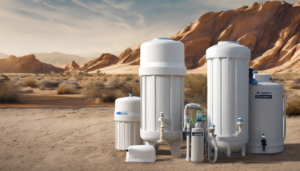
Aquaporin A2O® technology can be integrated into whole-home filtration systems to provide consistent water quality throughout your property. These systems are particularly useful in homes with older plumbing or where multiple taps need purification. This relates directly to Reducing Lead In Drinking Water Safely.
Whole-house systems filter water at the main supply line, ensuring all faucets provide clean water. Point-of-use (POU) filters are installed on individual taps, offering targeted purification. For best results, consider a combination of both to address both broad and specific needs.
<h2 id="pre-filtration-vs-post-filtration-which-is-better”>Pre-Filtration vs Post-Filtration: Which is Better?
When choosing between pre-filtration and post-filtration, it’s essential to understand the benefits of each. Pre-filtration systems are installed before the main water line, protecting all points-of-use from contaminants. Post-filtration systems clean water at individual taps, offering more localized purification.
Pre-filtration systems can handle larger volumes of water and are ideal for whole-house filtration. They help protect the RO membrane from sediment and other large particles, extending its lifespan and improving overall performance.
Post-filtration systems are more compact and can be easily installed on individual taps or kitchen faucets. They are useful for additional purification after the main filtration system, ensuring that every drop of water is clean and safe.
Proper installation and regular maintenance are crucial to ensure your lead reduction system operates effectively. Here are some key tips:
Here are some practical tips to ensure you and your family enjoy safe, clean drinking water:
Here are answers to some frequently asked questions about reducing lead levels in drinking water:
Reducing lead in drinking water safely is a critical step towards ensuring your family’s health. By understanding common causes of contamination and utilizing advanced filtration technologies, you can enjoy clean, safe water without compromising its natural qualities. Regular maintenance and professional installation are key to maximizing the effectiveness of these systems.