—
TITLE—
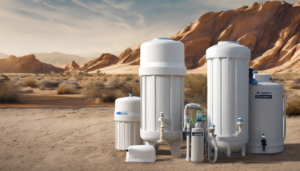
Pre-Filtration vs Post-Filtration: Choosing the Right Guide for Your Home’s Water Filtration Needs
—
META—
Discover the key differences between pre-filtration and post-filtration systems in your home to ensure clean, pure water. AED 10,000 AED – Optimize your indoor environment with nature-inspired water purification solutions.
—
EXCERPT—
Understanding the difference between pre-filtration and post-filtration is crucial for ensuring that your home’s water filtration system works efficiently. In this guide, we’ll explore the benefits and drawbacks of each method to help you make an informed decision for a healthier indoor environment.
—
CONTENT—
Understanding Pre-Filtration vs Post-Filtration: Choosing the Right
When it comes to water filtration, pre-filtration and post-filtration systems are two distinct methods that serve different purposes. Both aim to improve the quality of drinking water in your home but operate at different stages of the purification process. Understanding their differences is essential for selecting the most suitable system for your needs.
Pre-filtration Vs Post-filtration: Choosing The Right: Pre-Filtration Systems
What Is Pre-Filtration?
- Pre-filtration systems are installed at the point of entry, typically near the water main or before it reaches your home’s plumbing system.
- The primary goal is to remove larger particles and contaminants from the water supply before it enters your home.
Benefits:
- Reduces the load on subsequent stages of filtration, extending their lifespan and efficiency.
- Prevents damage to appliances that could be caused by large particles or sediments in the water.
- Ensures a consistent flow of water throughout your home’s plumbing system.
Examples:
- Aquaporin A2O® PRE filter removes sediment, rust, and other larger particles from the incoming water supply.
Post-Filtration Systems
What Is Post-Filtration?
- Post-filtration systems are installed at various points within your home, often after the water has been treated but before it reaches specific appliances or faucets.
- The focus is on fine-tuning and enhancing the water quality for immediate use in drinking, cooking, and other daily activities.
Benefits:
- Precisely targets smaller contaminants that may have passed through initial stages of filtration.
- Ensures higher-quality water directly to your taps and appliances.
- Can address specific concerns such as taste, odor, or mineral content in the water.
Examples:
- Aquaporin A2O® Pure DWRO® system provides advanced filtration at a point-of-use for drinking water.
Pre-filtration Vs Post-filtration: Choosing The Right – Pre-Filtration vs Post-Filtration: Pros and Cons
Pre-Filtration Advantages:
- Protects the entire home’s plumbing system from larger particles.
- Extends the lifespan of downstream filtration systems, reducing maintenance costs.
- Potentially lower initial installation cost due to fewer components required.
Post-Filtration Advantages:
- Ensures pristine water quality at the point of use.
- Flexible placement allows for targeted filtration based on specific needs.
- Can be easily combined with pre-filtration to create a comprehensive system.
Pre-Filtration Disadvantages:
- Does not address fine contaminants that may affect taste, odor, or appearance of water.
- Maintenance requirements increase due to the potential for larger particles clogging downstream filters.
- Potential for higher total cost over time if frequent filter replacements are needed.
Post-Filtration Disadvantages:
- Can be more expensive and complex to install compared to pre-filtration systems.
- Might not protect the entire plumbing system from larger particles, risking damage to appliances.
- Noise and energy consumption can be higher due to additional equipment.
Choosing the Right System for Your Home
The choice between pre-filtration and post-filtration depends on your specific water quality concerns, budget, and needs. Here are some considerations:
- If you have a heavily contaminated source or older plumbing with potential sediment issues, a pre-filtration system might be more appropriate.
- For homes with relatively clean water but specific taste, odor, or mineral concerns, post-filtration can provide targeted solutions.
- A combination of both systems offers the best balance by addressing large particles and fine contaminants effectively.
Verdict
Both pre-filtration and post-filtration have their merits. A comprehensive approach that includes elements from both can provide the highest level of water purification for your home. Consulting with a professional can help you tailor a system to your specific needs, ensuring the best indoor environmental health and wellness.
Expert Tips
- Assess your water quality test results before choosing a filtration system.
- Consider the placement of filters for optimal performance and maintenance.
- Choose high-quality, certified filters that meet your specific needs.
- Regularly maintain and replace filters to ensure continued effectiveness.
- Evaluate energy consumption if noise or power usage is a concern in your home.
Frequently Asked Questions (FAQ)
- Q: Can I use both pre-filtration and post-filtration systems together?
- A: Yes, combining both can provide a more comprehensive water purification solution.
- Q: How often should I replace the filters in my system?
- A: The frequency depends on the manufacturer’s guidelines but typically ranges from every 6 to 12 months.
- Q: Are pre-filtration and post-filtration systems easy to install?
- A: Installation complexity varies. Pre-filtration is usually easier, while post-filtration can be more involved due to the number of points required.
Conclusion
Selecting between pre-filtration and post-filtration systems involves a careful assessment of your specific water quality needs and budget. By understanding the benefits and drawbacks of each, you can make an informed decision that enhances the indoor environmental wellness of your home.
—
ALT_TEXT—
Pre-Filtration vs Post-Filtration: Choosing the Right – Comparison of water filtration systems for your home