
Table of Contents
Indoor air quality (IAQ) is a critical aspect of our overall health, especially in the highly controlled and enclosed environments of modern homes. The air we breathe indoors can be up to five times more polluted than outdoor air due to various pollutants, allergens, and irritants. This section explores key strategies for improving indoor air quality, ensuring that your home environment is as healthy as possible.
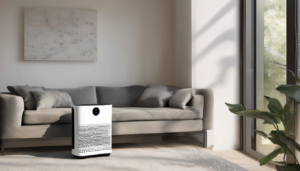
Advanced air purification technologies are essential tools in the fight against poor IAQ. Technologies like Airdog X8 large-space systems and TPA X8 PRO Silent offer powerful yet quiet solutions for maintaining clean indoor air. These devices work by filtering out pollutants, allergens, and odors while ensuring that your home remains a comfortable sanctuary.
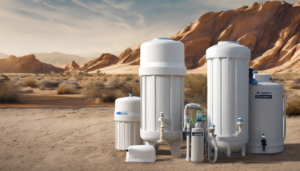
Water is essential for health, but not all water sources are pure. Aquaporin A2O® biomimetic technology offers advanced filtration solutions that purify your drinking water, ensuring it is free from contaminants. This technology mimics the natural processes found in nature to deliver clean and safe water right into your home.
Keeping surfaces clean and hygienic is crucial, especially when it comes to reducing the spread of pathogens. Eco-friendly solutions like BioTroop OdorEX provide a natural way to maintain cleanliness without relying on harsh chemicals. These products are designed to work in harmony with your lifestyle, ensuring that your home remains safe and comfortable. This relates directly to Top Healthy Home Strategies For Better Indoor Air Quality.
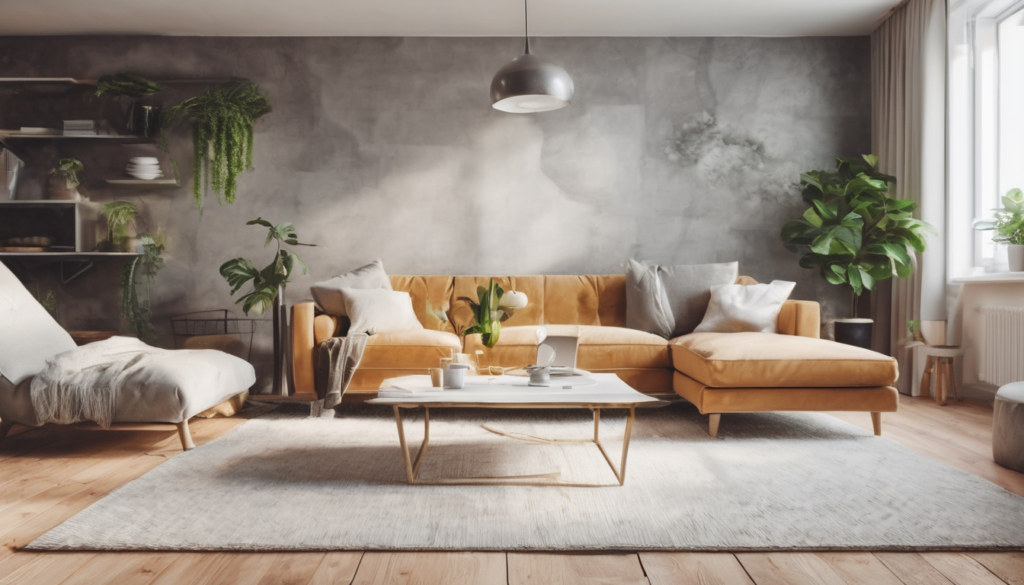
Indoor plants not only enhance the aesthetics of your home but also play a crucial role in improving indoor air quality. They naturally filter pollutants, reduce carbon dioxide levels, and increase humidity. Examples like snake plants, spider plants, and peace lilies are excellent choices for enhancing your living space.
Proper ventilation is essential for maintaining good IAQ. Ventilation systems that allow for controlled air exchange can help reduce the concentration of pollutants while ensuring a comfortable indoor environment. In Dubai’s climate, where air conditioning is prevalent, these systems are particularly important.
Energy efficiency not only saves you money but also reduces your environmental impact. Devices like the Airdog X8 and TPA X8 PRO Silent operate quietly and efficiently, ensuring that your home remains clean while minimizing energy consumption.
Maintaining a healthy indoor environment requires regular care. Simple tasks like cleaning air filters, regularly airing out the house, and using natural light can significantly improve IAQ. These tips help you stay on top of your home’s health without overwhelming effort.
To achieve the best indoor air quality in your home, it’s essential to adopt a holistic approach that encompasses multiple strategies. From advanced air purification technologies and water filtration systems to natural solutions like indoor plants and energy-efficient devices, each element plays a crucial role in creating a healthier living environment. By prioritizing these strategies, you can ensure that your family enjoys cleaner, fresher, and more comfortable air year-round. When considering Top Healthy Home Strategies For Better Indoor Air Quality, this becomes clear.