
Table of Contents
Sealed environments such as Dubai’s modern apartments, villas, and high-rise buildings are designed for comfort and convenience but can become hotbeds of dust and particulates. The air conditioning systems that keep these spaces cool also trap and circulate fine particles that can irritate the respiratory system and cause allergies. Reducing dust and particulates in sealed environments is crucial for maintaining good indoor air quality (IAQ) and ensuring a healthy living space.
According to a study by the United Arab Emirates University, particulate matter (PM) levels in Dubai are significantly higher during winter months when the use of air conditioners increases. These particles can include dust, pollen, mold spores, pet dander, and even microorganisms like bacteria and viruses. Effective strategies for reducing these particulates involve a combination of air purification, water filtration, surface hygiene, and non-toxic cleaning solutions.
The goal is to create an indoor environment that mimics the natural balance found outdoors. This involves reducing dust and particulate levels through advanced air purification technologies, water filtration systems, and surface hygiene solutions that are specifically designed for sealed spaces.
Air purifiers play a vital role in removing harmful particles from the indoor air. They work by trapping airborne pollutants such as dust, pollen, and viruses using filters or other technologies like photocatalytic oxidation (Micropure PCO™) that break down contaminants.
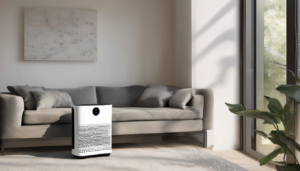
In Dubai’s sealed environments, large-space air purifiers such as the TPA X8 PRO systems are highly effective. These systems use advanced air purification technologies to ensure that even in enclosed spaces with high humidity or dust levels, indoor air remains clean and safe.
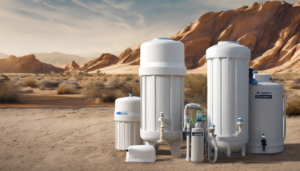
The TPA X8 PRO systems are designed to handle large volumes of air flow efficiently. They use a combination of filters, including the Aquaporin A2O® Pure DWRO® for water filtration and PRE and POST filters for pre- and post-filtration optimization. These systems ensure that every breath you take is clean and free from harmful particulates.
Water filtration is equally important in reducing dust and particulates. The Aquaporin A2O® biomimetic technology filters out impurities from water, making it a valuable tool for improving the overall indoor environment. By ensuring that your water is clean, you are also helping to reduce any dust particles that might be carried through the air or on surfaces. This relates directly to Reducing Dust And Particulates In Sealed Environments.
The Aquaporin Pure DWRO systems provide whole-home hydration solutions that not only filter water but also reduce the presence of dust and particulates. These systems are designed to work seamlessly with your existing plumbing, ensuring that every drop of water in your home is clean and safe.
Even the surfaces in your home can harbor dust and particulates. Effective surface hygiene solutions like BioTroop OdorEX are essential for maintaining a clean environment. These products use natural ingredients to control odors and reduce the presence of harmful microorganisms on surfaces.
For those concerned about chemical exposure, Eco-friendly solutions like Branch Basics cleaning systems offer a non-toxic alternative. These products are designed to be gentle on surfaces while effectively reducing dust and particulates without the use of harsh chemicals.
Cleaning solutions that contain harsh chemicals can release volatile organic compounds (VOCs) into the air, exacerbating indoor pollution. Non-toxic cleaning products like Branch Basics are specifically designed to be safe and effective for sensitive environments.
Using non-toxic cleaning solutions can significantly reduce VOC emissions, making your home a healthier place to live. These products use natural ingredients like essential oils, vinegar, and baking soda to clean surfaces without leaving harmful residues.
A comprehensive approach is necessary to reduce dust and particulates in sealed environments. By integrating air purification, water filtration, surface hygiene, and non-toxic cleaning solutions into your home’s wellness ecosystem, you can create a healthier living space.
Start by choosing the right air purifiers for each room in your home. For example, Airdog X8 systems are ideal for larger rooms and areas with high particulate levels. Smaller spaces can benefit from compact solutions like the Airdog X3D and Airdog X1D.
Here are some expert tips to help you reduce dust and particulates in your sealed environment:
The importance of Reducing Dust And Particulates In Sealed Environments is evident here.
A: The frequency of filter replacement depends on the manufacturer’s recommendations. As a general guideline, replace HEPA filters every 6 to 12 months for optimal performance.
A: Indoor plants can improve air quality by absorbing carbon dioxide and releasing oxygen. However, their impact on reducing dust is limited compared to advanced air purification technologies.
Reducing dust and particulates in sealed environments requires a comprehensive approach that addresses air quality, water purity, surface hygiene, and non-toxic cleaning solutions. By integrating the right technologies and maintaining them regularly, you can create a healthier living space for yourself and your family. Remember, the key is to work with nature’s intelligence rather than against it.
Explore a healthier indoor environment today by implementing these strategies tailored specifically for Dubai’s climate conditions.