Whole-Home Water Filtration Systems Explained – Guide for Clean Drinking Water in Your Home
Table of Contents
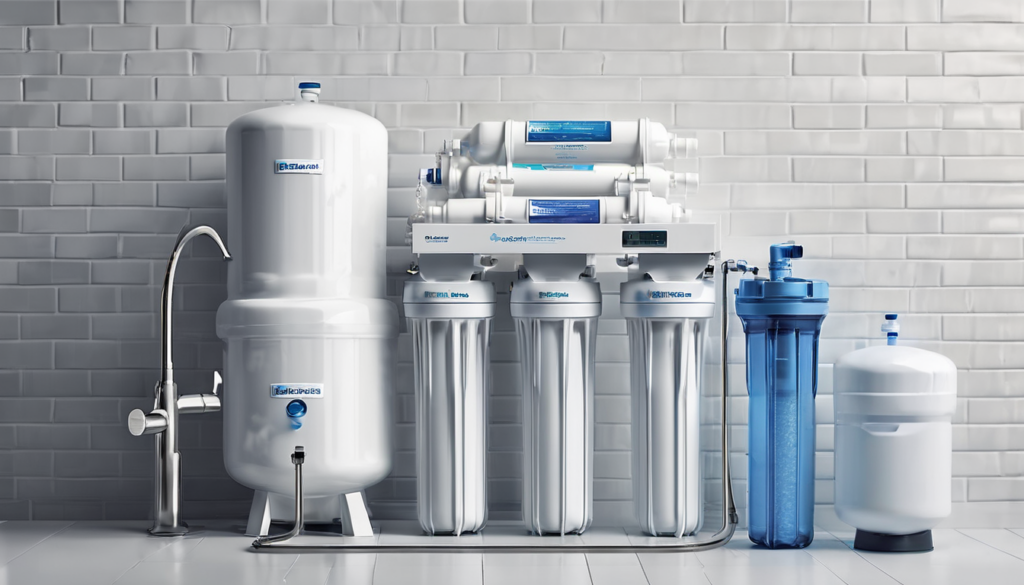
Whole-home water filtration systems are designed to purify the water that enters your home from the municipal supply, ensuring that every tap in your house delivers clean and safe drinking water. These systems filter impurities at the point of entry into your home, providing a consistent level of water quality throughout all plumbing fixtures.
Benefits of Whole-Home Water Filtration Systems Explained
Installing a whole-home water filtration system offers numerous benefits. Firstly, it ensures that the water you drink and use for cooking is free from contaminants such as lead, chlorine, sediment, and other harmful substances. This can significantly improve your family’s health by reducing exposure to potential toxins. Additionally, clean water can enhance the taste and smell of beverages, making them more enjoyable.
Types of Whole-Home Water Filtration Systems Explained
There are several types of whole-home water filtration systems available, each designed to address specific needs:
- Multistage Filters: These systems use multiple stages of filtration, such as carbon filters and sediment filters, to remove a wide range of contaminants.
- Reverse Osmosis Systems: Known for their ability to remove up to 99% of contaminants, RO systems are ideal for homes with high levels of minerals or heavy metals in the water supply.
- Aquaporin A2O® Pure DWRO®: This innovative technology mimics nature’s purification process and provides pure drinking water while maintaining essential minerals.
Aquaporin Inside Membrane Science Explained
Aquaporin A2O® Pure DWRO® uses a unique membrane that allows water to pass through more efficiently, reducing energy consumption and improving overall performance. This technology ensures that the water you drink is not only free from contaminants but also retains essential minerals.
How It Works: The Science Behind Filtration
Whole-home water filtration systems work by filtering water as it enters your home, eliminating impurities and ensuring clean water throughout. Here’s a brief overview of the process:
- Inlet Valve: The system starts with an inlet valve that directs water from the municipal supply into the filter.
- Filtration Stages: Water passes through various filtration stages, such as carbon and sediment filters, which remove chlorine, lead, and other impurities.
- Reverse Osmosis (if applicable): For RO systems, water then goes through a reverse osmosis membrane to further purify the water by removing heavy metals and minerals.
- Pump: A pump ensures that filtered water is pressurized and distributed evenly throughout your home’s plumbing system.
Choosing the Right System for Your Home
Selecting the right whole-home filtration system depends on several factors, including your specific needs and budget:
- Water Quality Analysis: Have a professional test your water to identify contaminants. This will help you choose the appropriate filtration technology.
- Budget Considerations: Whole-home systems can be expensive, so consider how much you are willing to invest in improving your home’s water quality.
- Maintenance Requirements: Some systems require more maintenance than others. Choose a system that aligns with your lifestyle and ability to maintain it properly.
Installation and Maintenance Considerations
Proper installation and regular maintenance are crucial for the longevity of your whole-home filtration system:
- Hire a Professional Installer: While DIY kits are available, professional installation ensures that the system is set up correctly.
- Regular Maintenance: Replace filters as recommended by the manufacturer. This typically ranges from every 6 months to annually, depending on usage and local water conditions.
- Water Testing: Regularly test your water quality to ensure that the system is performing effectively.
Common Questions About Whole-Home Water Filtration Systems Explained
- Does a whole-home filtration system remove all contaminants?
Most systems can remove a wide range of contaminants, but it’s important to test your water and choose the right technology for your specific needs.
- Is installation difficult?
Professional installation is recommended to ensure proper setup. However, DIY kits are available if you prefer to install it yourself.
- How much does a whole-home filtration system cost?
The cost varies based on the type of system and its features. Budget AED 10,000 – AED 25,000 for an average installation, but prices can be higher or lower depending on your specific requirements.
Expert Tips for Whole-Home Water Filtration Systems Explained
- Choose a System That Meets Your Needs: Prioritize systems that address the contaminants present in your local water supply.
- Prioritize Quality Over Cost: Invest in a high-quality system from reputable manufacturers to ensure long-term performance and reliability.
- Regularly Test Your Water: Even with filtration, regular testing can help you stay informed about your water quality.
Conclusion: Whole-Home Water Filtration Systems Explained for Clean Drinking Water
Whole-home water filtration systems offer a comprehensive solution to ensure that every tap in your home delivers clean, safe drinking water. By understanding the benefits, types of systems available, and installation considerations, you can make an informed decision and enjoy peace of mind knowing that you are providing the best possible water for your family. Understanding Whole-home Water Filtration Systems Explained is key to success in this area.