
Understanding How Ductwork Design impacts airflow efficiency is crucial for maintaining healthy indoor air quality (IAQ) and optimizing the performance of your heating, ventilation, and air conditioning (HVAC) systems. In Dubai, where extreme temperatures and modern air-conditioned homes are common, efficient ductwork can significantly enhance your comfort and reduce energy costs.
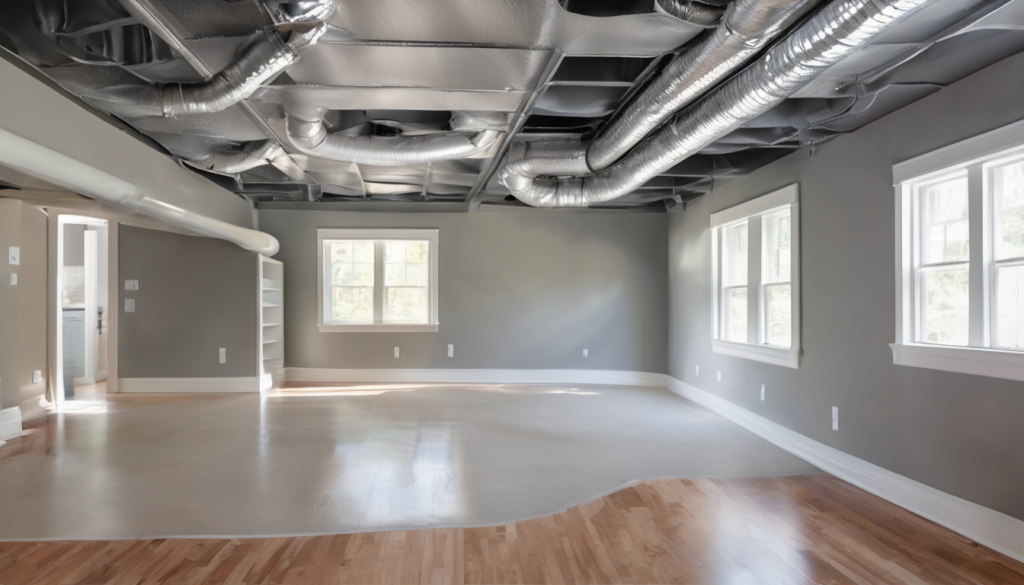
Ductwork design plays a pivotal role in determining the quality and distribution of airflow within a home. Poorly designed ducts can lead to reduced air volume, increased energy consumption, and decreased comfort levels. This section will delve into how specific aspects of ductwork design affect airflow efficiency.
One of the primary factors influencing airflow is the size of the ducts. Ducts that are too small can restrict air flow, leading to turbulence and increased noise levels. Conversely, oversized ducts may result in excess pressure drop and wasted energy. Proper sizing ensures optimal airflow and reduced energy consumption.
The layout of the ductwork affects how evenly air is distributed throughout the home. Branching and turning points can create resistance, leading to uneven temperature distribution and reduced overall efficiency. A well-planned layout ensures that air reaches all areas of the home effectively.
Several common issues can arise from poorly designed ductwork, impacting airflow efficiency:
To optimize airflow efficiency, consider the following strategies:
Dampers play a crucial role in managing airflow within the HVAC system. They can be used to control air flow to specific areas or zones, providing flexibility and enhancing energy efficiency.
By adjusting dampers, you can regulate temperature in different parts of the home. This not only ensures comfort but also reduces unnecessary heating or cooling in unoccupied areas.
To maintain optimal air quality, it’s essential to clean and service your HVAC system regularly:
Read more: The Role Of Filters In Managing Allergens And Particulates
Air filters play a vital role in capturing airborne contaminants, including allergens and particulates. High-quality filters can significantly improve IAQ:
A study conducted by Saniservice in Dubai homes highlighted the impact of ductwork design on IAQ. Homes with well-designed and maintained ducts reported higher air quality scores, reduced allergen levels, and lower energy consumption.
Here are some practical tips to improve airflow efficiency in your home:
Here are answers to some frequently asked questions about ductwork design and IAQ:
Maintaining efficient ductwork design is essential for achieving optimal indoor air quality and energy efficiency. By understanding how ductwork affects airflow, addressing common issues, and implementing maintenance strategies, you can create a healthier and more comfortable living environment. Understanding How Ductwork Design Impacts Airflow Efficiency is key to success in this area.