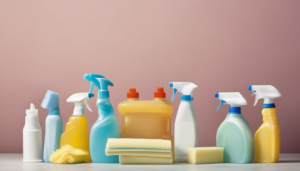


Chemicals used in household cleaning products can have a significant impact on indoor air quality. Many of these chemicals are volatile organic compounds (VOCs) that release fumes into the air, contributing to poor air quality and potential health issues such as respiratory problems, headaches, and allergies. By reducing chemical exposure in home cleaning, we aim to create a healthier living environment for ourselves and our families.
In this guide, we will delve into the science behind indoor pollution from cleaning products and explore effective strategies to minimize these harmful chemicals without compromising on cleanliness or effectiveness.
Chemicals found in common household cleaning products, such as ammonia, bleach, and artificial fragrances, can severely impact indoor air quality. These chemicals not only release volatile organic compounds (VOCs) but also particulate matter that can linger in the air for hours after use. According to a study by Harvard University, prolonged exposure to these chemicals can lead to respiratory issues, skin irritations, and even long-term health problems.
Moreover, air conditioning systems in many homes can circulate these contaminants throughout the living space, exacerbating their impact on indoor air quality. This is particularly concerning for families with children, elderly members, or those with existing allergies or asthma. When considering Reducing Chemical Exposure In Home Cleaning, this becomes clear.
One of the most effective ways to reduce chemical exposure in home cleaning is by switching to non-toxic products. Non-toxic cleaning products are formulated without harsh chemicals and often use natural ingredients that break down safely into the environment. Examples include vinegar, baking soda, lemon juice, and essential oils.
When selecting non-toxic cleaning products, look for brands that adhere to rigorous standards such as Green Seal or EcoLogo certifications. These certifications ensure that the product has been rigorously tested for safety and environmental impact. Additionally, consider homemade solutions using simple ingredients like white vinegar and baking soda, which can be just as effective as their commercial counterparts.
While reducing chemical exposure is crucial, maintaining a clean and hygienic home environment is equally important. Advanced filtration strategies can help manage surface hygiene without relying on harsh chemicals. For example, products like BioTroop OdorEX use biomimicry to create natural odor removal solutions that are safe for the environment and your family.
Another effective strategy is using Aquaporin Inside® membrane technology in water purification systems. This technology mimics the function of cell membranes to purify water at a molecular level, ensuring that surfaces remain clean without the need for harsh chemicals.
To fully integrate eco-friendly cleaning systems into your home, consider using whole-home air purification solutions like Airdog X8 and TPA X8 PRO. These advanced air sanitizers use photocatalytic oxidation (PCO) technology to break down harmful VOCs and other contaminants at the molecular level.
Additionally, you can incorporate eco-friendly surface hygiene solutions that are safe for both the environment and your health. Products like Branch Basics offer non-toxic cleaning kits that use plant-based ingredients and essential oils, making it easy to maintain a clean home without exposing yourself or your family to harmful chemicals. The importance of Reducing Chemical Exposure In Home Cleaning is evident here.
Implementing practical tips can help you reduce chemical exposure in home cleaning. Here are some actionable steps:
By following these tips, you can significantly reduce your family’s exposure to harmful chemicals while maintaining a clean and hygienic living environment.
A: Yes, many natural and non-toxic cleaning products are just as effective as their commercial counterparts. They often use natural ingredients that work just as well to clean surfaces without the added risk of harmful chemicals.
A: Look for certifications like Green Seal, EcoLogo, or LEED. These labels indicate that the product has been tested and approved as safe for both human health and the environment.
A: Yes, you can create effective cleaning solutions using simple ingredients like vinegar, baking soda, and essential oils. These natural products are safe to use around your family and pets.
Reducing chemical exposure in home cleaning is a critical step towards maintaining good indoor air quality and overall wellness. By choosing non-toxic products, integrating advanced filtration strategies, and adopting eco-friendly practices, you can create a healthier living environment for your family. Remember to ventilate your home, use protective gear when necessary, and store chemicals properly to minimize exposure to harmful chemicals.
By taking these steps, you not only improve the air quality in your home but also contribute to a more sustainable future. Embrace nature-inspired solutions that support healthier living without compromising on cleanliness or effectiveness. Understanding Reducing Chemical Exposure In Home Cleaning is key to success in this area.