

<h2 id="introduction-to-common-indoor-dust-triggers”>Introduction to Common Indoor Dust Triggers Causing Sinus Issues
Understanding Common Indoor Dust Triggers Causing Sinus Issues is essential. Indoor dust can be a significant contributor to sinus issues, affecting millions of people worldwide. Understanding the common triggers and their impact on your health is crucial for creating a cleaner living environment. This guide will help you identify these triggers and offer practical solutions to mitigate them.
Understanding Common Indoor Dust Triggers Causing Sinus Issues
Common indoor dust triggers can lead to sinus issues by causing inflammation and irritation in the nasal passages. These triggers include allergens such as pet dander, mold spores, pollen, and even dust mites. By understanding what these triggers are, you can take steps to reduce their presence in your home.
Common Indoor Dust Triggers Causing Sinus Issues – Common Indoor Dust Triggers in Detail
Indoor dust is a complex mix of various particles that can cause sinus issues. Let’s delve into the most common triggers:
- Pet Dander: Pet hair and skin flakes can trigger allergic reactions, leading to sinus congestion.
- Mold Spores: Moisture in your home allows mold to grow, releasing spores that irritate the sinuses.
- Pollen: Indoor plants or outdoor pollen entering through windows can contribute to allergy symptoms.
- Dust Mites: Tiny organisms that thrive in dust and fabric can cause significant irritation when inhaled.
Solutions for Reducing Indoor Allergens
To reduce indoor allergens, follow these practical steps:
- Regular Cleaning: Dust and vacuum your home regularly to remove allergen particles.
- Dehumidification: Use a dehumidifier to control moisture levels in your home, preventing mold growth.
- Pet Management: Limit pet access to certain areas of the house and consider hypoallergenic breeds if possible.
Air Purification Systems for Dust Control
Investing in air purification systems can significantly improve indoor air quality. Here are some effective options:
- Airdog X8 Large-Space Systems: These advanced air sanitizers help reduce allergens and contaminants in large spaces.
- Tpa X8 Pro Silent: A quiet, high-performance system that provides whole-space purification with minimal noise.
Humidity and Its Effect on Air Quality
Humidity levels play a crucial role in air quality. In Dubai’s climate, maintaining the right humidity can prevent mold growth and reduce dust mites:
- Target Humidity Levels: Keep indoor humidity between 30-50% to minimize mold growth.
- Dry Ventilation: Ensure proper ventilation, especially in kitchens and bathrooms where moisture tends to accumulate.
Proper Placement of Air Purifiers to Optimize Allergy Relief
The placement of air purifiers is key to their effectiveness. Place them strategically in areas with high dust or allergen levels:
- Living Room: Position the purifier near common entry points like doors and windows.
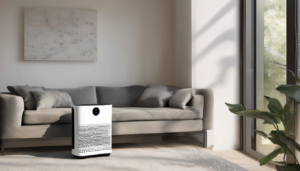
- Bedroom: Place it close to your bed, as you spend a significant amount of time there.
Expert Tips for Improving Indoor Air Quality
Here are some expert tips to enhance indoor air quality:
- Use Natural Cleaners: Opt for eco-friendly products that don’t release harsh chemicals.
- Avoid Smoking Indoors: Secondhand smoke can irritate your sinuses and trigger allergies.
- Regular Maintenance: Change air filters regularly to ensure optimal performance of purifiers.
Frequently Asked Questions
- Q: How can I test my home’s humidity levels?
A: Use a hygrometer to measure the relative humidity in your home. This will help you understand if it’s within the optimal range. - Q: Are air purifiers effective for pet dander?
A: Yes, many air purifiers are designed to filter out small particles like pet dander and can significantly reduce allergen levels. - Q: How often should I replace the filters in my air purifier?
A: Check the manufacturer’s guidelines for replacement cycles. Typically, it’s recommended every 3-6 months depending on usage and conditions.
Conclusion
Understanding common indoor dust triggers causing sinus issues is the first step towards creating a healthier living environment. By implementing practical solutions like air purification systems, maintaining proper humidity levels, and placing purifiers strategically, you can significantly reduce allergens and improve your overall well-being.