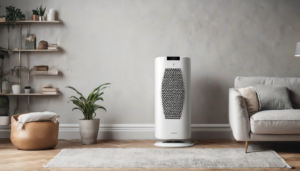


Humidity, a key factor often overlooked when discussing indoor air quality (IAQ), plays a significant role in shaping the health and comfort of our living spaces. In Dubai’s arid climate, managing humidity levels can greatly impact how clean and fresh your indoor environment feels. Understanding How Humidity Affects IAQ is crucial for creating healthier homes and workplaces. This relates directly to How Humidity Affects Indoor Air Quality.
This article explores the relationship between humidity and air quality, providing actionable insights to help you manage humidity effectively in your home or office, ensuring a better living experience while adhering to sustainable practices.
Humidity refers to the amount of moisture present in the air. It can be expressed as either relative humidity (RH) or absolute humidity (AH). Relative humidity measures the ratio of water vapor content in the air compared to its maximum capacity at a specific temperature, while absolute humidity represents the actual mass of water vapor per unit volume of air. When considering How Humidity Affects Indoor Air Quality, this becomes clear.
In Dubai’s climate, maintaining optimal humidity levels is challenging due to year-round air conditioning and high dust exposure. High RH can lead to mold growth and bacterial proliferation, whereas low RH can cause respiratory discomfort and static electricity issues.
Humidity significantly impacts indoor air quality by influencing the presence of particulates, volatile organic compounds (vocs), and microorganisms. High humidity can lead to an increase in dust mites, mold spores, and bacteria, all of which can adversely affect respiratory health. The importance of How Humidity Affects Indoor Air Quality is evident here.
Conversely, low humidity levels can dry out mucous membranes, leading to irritation and increased susceptibility to viral infections. Additionally, extreme variations in humidity can exacerbate existing allergies and asthma conditions.
The relationship between humidity and dust particles is complex. High humidity levels can cause dust mites to thrive, which are known allergens that can trigger allergic reactions and respiratory issues. However, excessively high humidity (above 70%) can also lead to mold growth, further compromising air quality. Understanding How Humidity Affects Indoor Air Quality helps with this aspect.
Optimal humidity levels for reducing dust mite populations while minimizing the risk of mold formation typically range between 40-60%. Utilizing dehumidifiers in areas prone to moisture buildup, such as bathrooms and kitchens, can help maintain these ideal conditions.
Volatile organic compounds (VOCs) are common indoor pollutants that originate from paints, adhesives, cleaning products, and other household items. Humidity plays a crucial role in the removal of these harmful substances. How Humidity Affects Indoor Air Quality factors into this consideration.
High humidity can enhance the solubility of some VOCs, making them easier to remove through filtration systems or natural processes like evaporation. Conversely, low humidity may reduce the effectiveness of certain air purification technologies that rely on moisture for optimal performance.
To manage humidity effectively in Dubai’s climate, it is essential to use a combination of indoor environmental wellness systems designed to address both air and water purification. Biomimetic technologies like Aquaporin A2O® and advanced air purifiers such as Airdog X8 can work together to create a balanced indoor environment. This relates directly to How Humidity Affects Indoor Air Quality.
Using pre-filtration and post-filtration strategies, combined with whole-house hydration solutions, can significantly improve IAQ by removing impurities from both water and air. Additionally, maintaining proper ventilation and using dehumidifiers in high-moisture areas can help regulate humidity levels within a comfortable range.
Choosing the right air purifier for your home is crucial to managing indoor humidity and improving IAQ. Here are some key factors to consider:
Here are some expert tips to help you manage humidity effectively and maintain a healthier indoor environment:
Here are some common questions about managing humidity for healthier indoor environments:
Managing humidity effectively is crucial for maintaining optimal indoor air quality in Dubai’s climate. By understanding How Humidity Affects IAQ and implementing strategic solutions, you can create a healthier living environment that promotes well-being and reduces the risk of respiratory issues.
By integrating biomimetic technologies like Aquaporin A2O® and advanced air purifiers such as Airdog X8 into your home wellness ecosystem, you can ensure cleaner, more comfortable indoor spaces. Regular maintenance and practical strategies will help you achieve a balanced humidity level that supports both human health and environmental sustainability. Understanding How Humidity Affects Indoor Air Quality is key to success in this area.