Living in Dubai’s modern, enclosed environment often means dealing with hidden allergens in your home that affect health. From dust mites to mold spores, understanding how to identify airborne allergens in your home improves indoor air quality. This complete guide reveals 7 essential steps to identify allergens in your home in Dubai.
Table of Contents
Introduction to Airborne Allergens
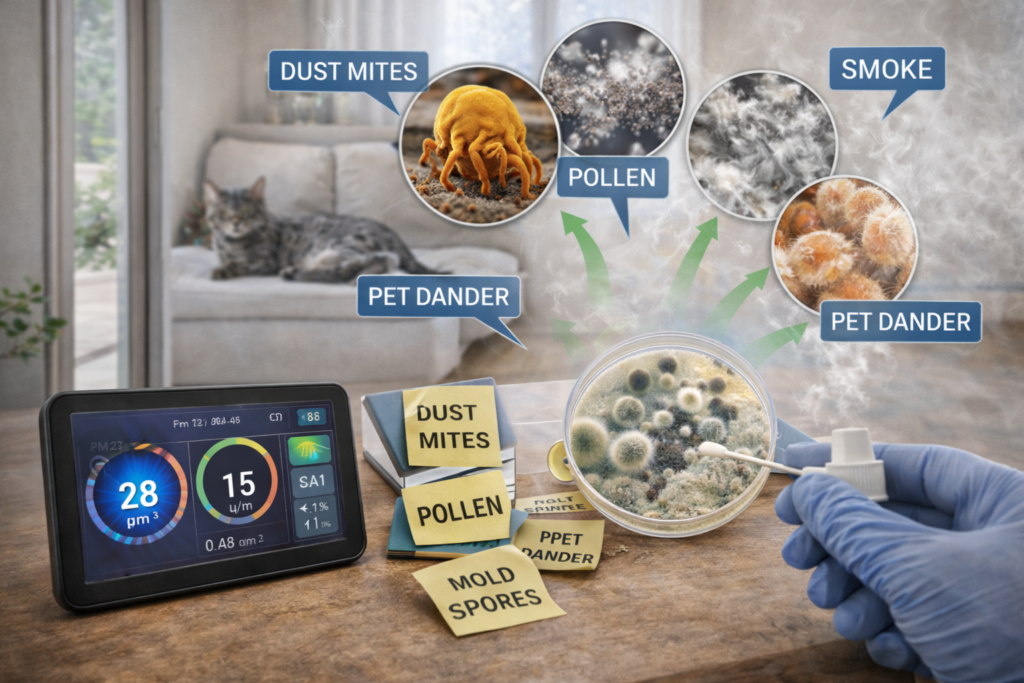
Living in Dubai’s modern, air-conditioned environment can be both comfortable and challenging. While it protects us from outdoor pollutants, the enclosed spaces harbor their own set of allergens in your home that can affect your health. From dust mites and mold spores to pet dander and pollen, these microscopic particles can cause allergic reactions, respiratory issues, and other health problems.
Airborne allergens are invisible but incredibly common in Dubai’s urban living environments. Identifying them is crucial for maintaining good indoor air quality and protecting the well-being of your family.
Why You Need to Identify Allergens
Airborne allergens can have a significant impact on the health of individuals, especially those with allergies or asthma. Identifying these allergens is essential for several reasons:
- Health Impact: Knowing what triggers your symptoms allows you to take proactive steps to reduce exposure to allergens in your home.
- Quality of Life: A cleaner indoor environment means fewer allergy symptoms and better overall comfort in Dubai.
- Cost-Effective Solutions: Targeted interventions can be more effective than broad-spectrum treatments for allergens in your home.
- Family Well-being: Protecting the health of your loved ones is a top priority, especially in Dubai’s high-rise apartments where allergens accumulate quickly.
How to Collect Samples for Testing
Collecting samples from your home is the first step towards identifying airborne allergens in your home. Here’s how you can do it:
- Dust Swabs: Use a clean, lint-free cloth to wipe surfaces like windowsills, carpet edges, and furniture. Place these swabs in a sealed container.
- Vacuum Bags: If using an upright vacuum cleaner, collect the bag or filter for analysis. For stick vacuums, use a plastic bag to store the contents.
- Humidity Samples: Use hygrometers to measure humidity levels and identify moisture spots that could indicate mold growth affecting allergens in your home.
Common Airborne Allergens
Understanding common allergens in your home can help you pinpoint the source of your symptoms in Dubai. Some of the most prevalent include:
- Dust Mites: Found in carpets, bedding, and upholstered furniture.
- Mold Spores: Common in damp areas like bathrooms and kitchens; can cause respiratory issues.
- Pet Dander: Fine particles from pet skin, fur, or feathers that can trigger allergies.
- Pollen: Even indoor plants can bring outdoor pollen inside during windy days in Dubai.
- Rodent Droppings: Tiny particles from rodent urine or feces can be inhaled.
Using Advanced Air Purification Systems
Advanced air purifiers like the Airdog X8 and TPA X8 PRO can significantly reduce airborne allergens in your home. These systems use:
- HEPA Filtration: Effective at capturing particles as small as 0.3 microns.
- Activated Carbon Filters: Absorb odors, gases, and volatile organic compounds (VOCs) from allergens in your home.
- Photocatalytic Oxidation (Micropure PCO™): Break down biological contaminants into harmless substances in Dubai homes.
Controlling Humidity for Better Quality
High humidity levels can promote mold growth and increase the presence of allergens in your home. Here’s how to control moisture in Dubai:
- Dehumidifiers: Use a dehumidifier in damp areas like bathrooms.
- Ventilation: Ensure proper ventilation when cooking or bathing, using exhaust fans.
- Air Conditioning: Regular maintenance of air conditioning units can help reduce humidity and allergens in your home.
Choosing the Right Products
Selecting the right products is crucial for maintaining a healthy indoor environment and reducing allergens in your home:
- Aquaporin A2O® Filtration Systems: For clean drinking water in Dubai, these systems mimic nature’s purification methods.
- Airdog X8 and TPA X8 PRO Air Purifiers: High-efficiency air purifiers that work quietly to remove allergens in your home.
- BioTroop OdorEX for Surface Hygiene: Non-toxic surface treatments that keep surfaces clean without harsh chemicals.
Expert Tips on Identifying Allergens
Here are some expert tips to help you identify and manage allergens in your home:
- Regular Cleaning: Dust, vacuum, and mop regularly to reduce dust mites and allergens in your home.
- Bedding Care: Wash bedding in hot water weekly and use allergen-proof covers for pillows and mattresses.
- Humidity Control: Keep humidity levels below 50% to prevent mold growth and allergens in your home in Dubai.
- Pet Management: If you have pets, keep them out of bedrooms and consider a hypoallergenic pet.
Frequently Asked Questions
Q: How often should I clean my air purifier filters to reduce allergens in your home?
A: Replace HEPA filters every 6-9 months and carbon filters every 3-6 months for optimal performance in Dubai.
Q: Can I use a dehumidifier to control allergens in your home?
A: Yes, a dehumidifier is effective in damp areas like bathrooms to reduce mold and allergens in your home.
Q: Are there natural ways to reduce allergens in your home?
A: Yes, use allergen-proof covers, wash bedding weekly, and keep humidity levels low in Dubai properties.
Conclusion on Allergen Management
Identifying airborne allergens in your home is a critical step towards maintaining good indoor air quality in Dubai. By using advanced air purification systems, controlling humidity, and choosing the right products, you can create a healthier living environment for you and your family. Remember to take proactive steps to address potential allergens before they cause health issues.