
Indoor humidity control is not just about feeling comfortable; it’s a crucial aspect of maintaining health and well-being. High or low humidity levels can lead to discomfort, respiratory issues, and even structural damage in homes. Understanding the importance of balanced indoor moisture will help you create a more pleasant living environment.
Indoor air quality is significantly influenced by relative humidity (RH). Optimal RH levels can prevent mold growth, reduce dust mites, and minimize the spread of viruses. A study by the American Society of Heating, Refrigerating and Air-Conditioning Engineers (ASHRAE) recommends maintaining indoor RH between 40% to 60%. Too low or too high humidity can lead to various health issues.
High humidity levels can cause:
– Mold and mildew growth
– Structural damage due to wood swelling and rotting
– Increased energy costs for air conditioning
Low humidity, on the other hand, leads to:
– Dry skin and mucous membranes
– Respiratory issues like asthma and allergies
– Static electricity buildup This relates directly to Indoor Humidity Control: Balancing Comfort And Health.
– Musty odors
– Condensation on windows and walls
– Visible mold growth
– Swollen wood furniture or floors
– Dry skin and nosebleeds
– Chapped lips
– Static electricity shocks
– Scratchy throat and respiratory irritation
Maintaining the right humidity levels can enhance your home’s comfort and health. Here are some indicators to help you gauge whether your indoor environment is too dry or humid:
A hygrometer measures relative humidity and is an essential tool for monitoring indoor conditions. Ideal RH levels range from 40% to 60%. If the reading consistently falls outside this range, it’s time to take action.
Controlling indoor humidity requires a combination of strategies. Here are some effective methods:
Dehumidifiers remove excess moisture from the air, helping to maintain optimal RH levels. In high-humidity climates or during rainy seasons, using dehumidifiers can prevent mold and mildew growth.
Air conditioning systems not only cool your home but also help regulate humidity. Modern AC units with dehumidification features can maintain indoor RH levels effectively.
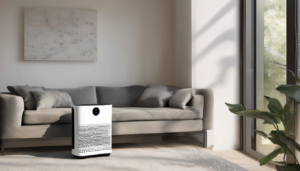
Air purifiers play a significant role in improving indoor air quality by filtering out airborne particles that contribute to poor humidity levels. Here’s how you can use them:
Look for air purifiers with advanced filtration technologies like Aquaporin A2O® biomimetic water purification and Micropure PCO™ technology for efficient pathogen reduction.
Position air purifiers in key areas of your home, such as bedrooms, living rooms, and kitchens. This ensures that the air is consistently filtered and purified.
Selecting the appropriate humidity control systems is crucial for maintaining balanced indoor conditions. Here are some considerations:
Consider factors such as your home’s size, climate, and specific areas that require attention.
Opt for energy-efficient systems to reduce your overall energy consumption. High-efficiency dehumidifiers and air conditioners are excellent choices.
Here are some expert tips to help you maintain a comfortable indoor environment:
– Regular Maintenance: Clean filters regularly to ensure optimal performance.
– Humidity Check-ups: Schedule regular checks with a hygrometer and adjust your systems accordingly.
– Seasonal Adjustments: Adjust dehumidifiers and air conditioners as seasons change. When considering Indoor Humidity Control: Balancing Comfort And Health, this becomes clear.
1. What is the optimal indoor humidity level?
– The ideal range is 40% to 60%. This balance ensures comfortable conditions and prevents mold growth.
2. How do I know if my home has high or low humidity?
– Use a hygrometer to measure the relative humidity levels in your home. High humidity can be identified by condensation, while low humidity is indicated by dryness and static electricity.
3. Can I reduce humidity without an air conditioner?
– Yes, dehumidifiers are effective for reducing excess moisture in the air. They can be used alongside or as a standalone solution. Understanding Indoor Humidity Control: Balancing Comfort And Health is key to success in this area.
Mastering indoor humidity control is essential for creating a healthier and more comfortable living environment. By understanding the challenges of high and low humidity, using indicators to gauge conditions, and implementing effective strategies, you can achieve the perfect balance.