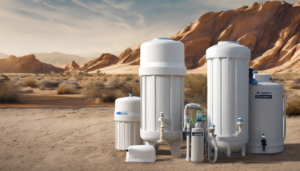


Choosing a drinking water filter is an essential step in ensuring clean, healthy water for your family. In this section, we’ll explore why it’s important and what factors you should consider. This relates directly to Choose The Right Drinking Water Filter For Your Home.
In Dubai and other parts of the UAE, water quality can vary widely due to local sources and treatment processes. A good drinking water filter not only improves taste but also removes contaminants that might be present in your tap water. By understanding how these filters work, you can make an informed decision that suits your needs.
Before choosing a water filter, it’s crucial to assess the quality of your current drinking water. The UAE has different sources for its water supply—desalinated seawater, groundwater, and imported water—which can lead to varying levels of contaminants.
To identify your needs, consider these factors:
1. Test Your Water: Use a local laboratory or purchase a DIY water testing kit to check for common contaminants like chlorine, fluoride, heavy metals (lead, mercury), bacteria, and viruses.
2. Consult Local Authorities: Contact the Department of Water & Electricity in Dubai or equivalent authorities in other emirates for detailed information about your area’s water quality reports.
There are several types of drinking water filters, each with unique functions. Understanding these can help you choose the best system for your home.
1. Reverse Osmosis (RO) Filters: RO filters are highly effective at removing contaminants like lead, fluoride, arsenic, and bacteria but may also remove beneficial minerals.
2. Carbon Block Filters: These filters use activated carbon to filter out chlorine, organic compounds, and some heavy metals. They are less effective against smaller particles but provide a good balance of functionality and cost.
3. Ultrafiltration (UF) Systems: UF systems can filter out larger contaminants like sediment, cysts, and some bacteria without removing essential minerals.
The initial cost of a water filter is just one aspect to consider. The ongoing expenses for maintenance and replacement parts must also be factored in.
1. Initial Cost: Compare the upfront costs of different systems, including installation fees.
2. Maintenance and Replacement: Determine how often you need to replace filters and membranes (if applicable). This can significantly impact long-term costs.
3. Energy Consumption: Some systems require electricity for operation, which can increase your energy bills. When considering Choose The Right Drinking Water Filter For Your Home, this becomes clear.
Based on your water quality needs and budget, select a system that best fits your home’s requirements:
1. Whole-Home Systems: These systems treat all water entering the house, ideal for those concerned about contaminants throughout their property.
2. Point-of-Use Filters: Installed at specific taps, these filters are suitable for areas where you consume or prepare food.
Here are some expert tips to guide your decision-making process:
1. Look for Certifications: Ensure the filter is certified by reputable organizations like NSF International, WQA (Water Quality Association), or IAPMO.
2. Check Filtration Ratings: Verify the filter’s ability to remove specific contaminants according to water quality test results.
3. Consult Professionals: If unsure, consult a local water treatment specialist who can provide tailored advice based on your home’s unique needs.
Q1: How often should I replace the filter?
A1: Typically, filters need replacement every 6 to 12 months depending on usage and water quality. Check the manufacturer’s guidelines for specific recommendations.
Q2: Is a whole-home system more effective than point-of-use filters?
A2: Whole-home systems treat all water entering your home, whereas point-of-use filters are limited to specific taps. The choice depends on your primary concerns and budget constraints.
Q3: Can I install the filter myself, or do I need professional help?
A3: If you have experience with plumbing installations, a DIY approach may work. However, for complex systems, hiring a professional is recommended to ensure proper installation and maintenance.
Choosing the right drinking water filter involves understanding your unique needs, evaluating different types of filters, considering costs, and making informed decisions based on expert advice. By following this guide, you can select a system that provides clean, healthy water for your family in Dubai or any other part of the UAE. Understanding Choose The Right Drinking Water Filter For Your Home is key to success in this area.