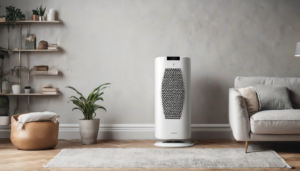
Indoor air quality (IAQ) refers to the overall health and comfort of the air in your living or working environment. Poor IAQ can lead to a variety of respiratory issues, allergies, and other health problems. Factors such as pollutants, humidity levels, temperature, and ventilation all contribute to the air quality indoors.
Key Impact of Poor Indoor Air Quality
Exposure to poor indoor air can cause a range of health issues, including respiratory infections, asthma attacks, headaches, dizziness, and fatigue. In Dubai’s climate, sealed environments with year-round air conditioning exacerbate these problems by trapping pollutants inside. Understanding the effects is crucial for making informed decisions.
Common Indoor Pollutants
Several pollutants can affect IAQ in your home or office:
Dust and Particulates: Accumulated dust, pollen, and other particulates can trigger allergies and asthma.
VOCs (Volatile Organic Compounds): Emitted by paints, cleaning products, and adhesives, these chemicals can irritate the eyes, nose, throat, and lungs.
Cigarette Smoke: A significant source of indoor air pollutants that can cause severe respiratory issues.
Mold and Mildew: Thrive in damp conditions and release spores that can lead to allergic reactions and infections.
These pollutants not only impact your health but also contribute to a less comfortable living or working environment.
Indoor Air Quality Challenges in Dubai
Dubai’s climate presents unique challenges for IAQ. High temperatures, humidity, and dust can all affect the air quality inside homes and offices:
Heat and Humidity: These conditions can lead to increased mold growth and the release of harmful spores.
Dust and Particulates: The city’s desert environment means high levels of dust, exacerbating existing respiratory issues.
Ventilation Issues: Sealed buildings with poor ventilation can trap pollutants inside, worsening IAQ over time.
Addressing these challenges requires a comprehensive approach to air purification and sanitation.
There are several effective strategies to improve indoor air quality in your home or office:
Ventilation: Increase natural ventilation by opening windows when weather permits. Use exhaust fans and air purifiers to remove stale air.
Filtration Systems: Install high-efficiency particulate air (HEPA) filters and activated carbon filters to capture fine particles and VOCs.
Clean Regularly: Dust and vacuum frequently, using microfiber cloths that trap more allergens than traditional materials.
Avoid Smoking Indoors: Keep smoking outside to prevent secondhand smoke from entering your living or working space.
Each of these strategies plays a crucial role in creating a healthier indoor environment, especially considering Dubai’s specific challenges.
Using Biomimetic Technologies for Air Purification
Biomimicry-inspired technologies offer innovative solutions to improve IAQ. For instance, the Airdog X8 large-space systems mimic nature’s air purification methods:
Airdog X8: This advanced air purifier uses a combination of HEPA filtration and photocatalytic oxidation (Micropure PCO™) to remove pollutants effectively.
Air Sanitizers: Airdog X5D, X3D, and X1D models sanitize the air by emitting UV light that breaks down VOCs and eliminates odors without using harsh chemicals.
Biomimetic technologies not only address IAQ but also ensure a natural and sustainable approach to purification.
Water Quality and Indoor Environments
Water quality is another critical aspect of indoor wellness. Impure water can contribute to poor IAQ by releasing contaminants into the air through boiling or evaporation:
Aquaporin A2O®: This biomimetic technology mimics nature’s ability to filter and purify water, ensuring clean drinking water.
Whole-Home Filtration Systems: The Aquaporin A2O® Pure DWRO® system provides whole-home hydration by filtering out impurities at the source.
Incorporating these solutions helps maintain both air and water quality, creating a holistic indoor wellness ecosystem.
Surface Hygiene and Eco-Friendly Solutions
Ensuring the cleanliness of surfaces is essential for maintaining IAQ. Traditional cleaning methods often involve harsh chemicals that can release volatile organic compounds (VOCs) into the air:
BioTroop OdorEX: This product uses natural enzymes and bacteria to break down odors and pathogens without harmful residues.
Eco-Friendly Cleaning Kits: Branch Basics provides non-toxic, biodegradable cleaning solutions that are safe for both the environment and your health.
These eco-friendly alternatives promote a cleaner indoor environment while reducing the risk of chemical exposure.
Implementing a Whole Home Wellness Ecosystem
A truly effective approach to improving IAQ involves creating an integrated wellness ecosystem that addresses air, water, and surface hygiene:
Whole-Home Air Purification: Combine Airdog X8 systems with TPA X8 PRO Silent for comprehensive air purification across the entire living space.
Water Filtration Systems: Use Aquaporin A2O® PRE and POST filters to ensure clean water throughout your home.
Slim-Profile Air Purifiers: Install Airdog X1D units in smaller rooms for quiet, efficient air purification.
This approach ensures a seamless integration of various technologies that work together to create a healthier indoor environment.
Improving Indoor Air quality is a multifaceted process that requires a combination of strategies, technologies, and lifestyle changes. By understanding the key factors affecting IAQ, implementing effective solutions, and maintaining a holistic wellness ecosystem, you can create a healthier environment in your home or office.