
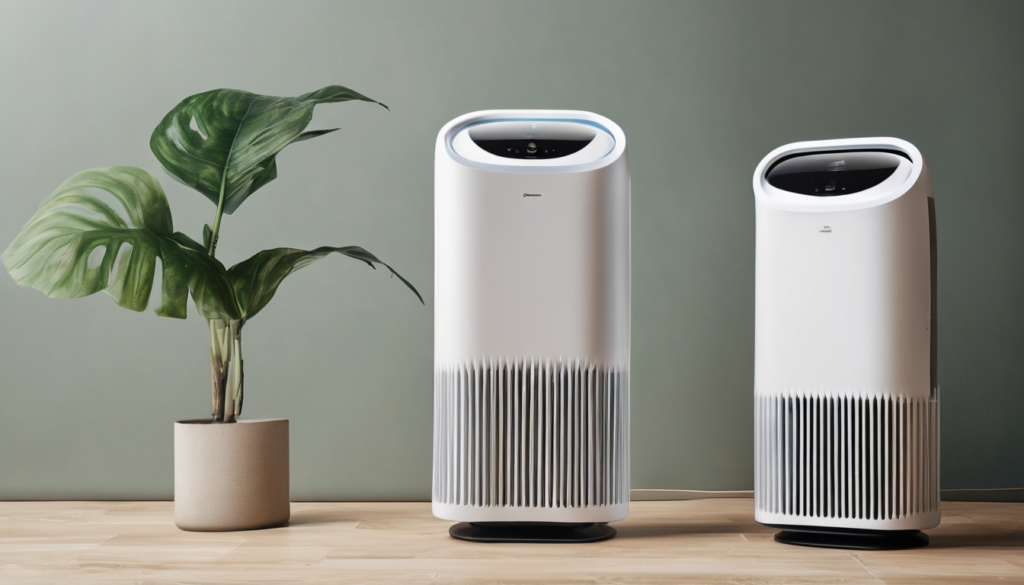
In this comprehensive guide, we delve into the world of air purifier filtration technologies, comparing their effectiveness, cost, and suitability for various environments. From understanding HEPA filters to exploring advanced purification methods like Airdog X8 systems, learn what sets each technology apart and which is best suited for your specific needs.
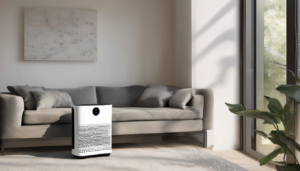
Air purifiers are essential for maintaining clean and healthy indoor air. They work by filtering out contaminants, allergens, and pollutants that can harm your respiratory system. The core of any air purifier is its filtration technology, which varies widely in terms of effectiveness, cost, and maintenance.
Most air purifiers have multiple filters, each targeting different types of pollutants:
– Main Filters: Typically HEPA or activated carbon.
– Secondary Filters: Can include pre-filters, UV lights, and ionizers.
Understanding these components is crucial for selecting the right technology to address your specific needs.
Air purifiers can be broadly categorized into different types based on their filtration technologies. Each type has its strengths and weaknesses, making them suitable for various environments and budgets.
HIGH DENSITY FILTERS
HEPA (High-Efficiency Particulate Air) filters are designed to capture 99.97% of particles as small as 0.3 microns. These filters are commonly used in hospitals and research facilities due to their efficiency.

Activated carbon filters are excellent at adsorbing odors, chemicals, and volatile organic compounds (VOCs). They work by absorbing pollutants onto their porous surface.

UV-C light filters are used to kill bacteria, viruses, and other microorganisms. They emit UV radiation that disrupts the DNA of these pathogens, rendering them harmless.

Ionic purifiers release ions into the air, which attach to particles like dust and allergens. These charged particles are then attracted to plates in the device, trapping them.
Nano-titania filters use photocatalytic oxidation, breaking down pollutants into harmless substances. This technology is particularly effective against odors and chemical contaminants.

HEPA filters are the gold standard in air filtration. They are designed to capture 99.97% of particles as small as 0.3 microns, making them highly effective at removing dust, pollen, mold spores, and other allergens.

These filters are commonly found in medical-grade air purifiers and are suitable for those with allergies or asthma. However, they can be expensive and require regular replacement.
– Cost: A basic HEPA filter may range from AED 100 to AED 250.
– Maintenance: Replacement every 6 months to a year, depending on usage. When considering Comparative Analysis Of Air Purifier Filtration, this becomes clear.
Activated carbon filters are designed to remove odors, chemicals, and volatile organic compounds (VOCs). They work by adsorbing pollutants onto their porous surface, effectively cleaning the air of unpleasant smells.

– Cost: A basic activated carbon filter may range from AED 50 to AED 150.
– Maintenance: Replacement every 6 months, depending on usage and air quality.
UV-C light filters are used to kill bacteria, viruses, and other microorganisms. They emit UV radiation that disrupts the DNA of these pathogens, rendering them harmless.

These filters are particularly useful in hospitals and other environments where sanitation is critical. However, they can be expensive and may require regular cleaning.
– Cost: A basic UV-C light filter may range from AED 200 to AED 500.
– Maintenance: Replacement every year, depending on usage and air quality.
Ionic purifiers release ions into the air, which attach to particles like dust and allergens. These charged particles are then attracted to plates in the device, trapping them. While effective at reducing particulate matter, they can produce ozone as a byproduct. The importance of Comparative Analysis Of Air Purifier Filtration is evident here.

– Cost: A basic ionic air purifier may range from AED 150 to AED 400.
– Maintenance: Replacement of ionizing plates every year, depending on usage.
Nano-titania filters use photocatalytic oxidation to break down pollutants into harmless substances. This technology is particularly effective against odors and chemical contaminants.

– Cost: A basic nano-titania filter may range from AED 250 to AED 600.
– Maintenance: Replacement every year, depending on usage and air quality.
The cost of an air purifier can vary widely based on the technology used, brand reputation, and additional features. Here’s a breakdown of what you might expect:
| Technology | Cost Range (AED) |
|---|---|
| HEPA Filters | 100 – 250 |
| Activated Carbon Filters | 50 – 150 |
| Ultra-Violet Light Filters | 200 – 500 |
| Ionic Air Purifiers | 150 – 400 |
| Nano-Titanium Dioxide Filters | 250 – 600 |
– Brand Reputation: Premium brands often command higher prices.
– Additional Features: Smart technology, multiple filters, and quieter operation can increase costs.
– Airflow Capacity: Larger purifiers for bigger spaces are more expensive. Understanding Comparative Analysis Of Air Purifier Filtration helps with this aspect.
Choosing the right air purifier involves considering several factors. Here are some expert tips to help you make an informed decision:
– Evaluate Your Needs: Determine what pollutants you need to remove and choose a technology that addresses them.
– Consider Room Size: Ensure the purifier has sufficient airflow for your space.
– Check Certification: Look for certified products from reputable organizations like AHAM (Association of Home Appliance Manufacturers).
– Evaluate Long-Term Costs: Consider the cost of filters and maintenance over time.
1. Q: Which air purifier is best for allergies?
– A: HEPA filters are highly effective at capturing allergens, making them ideal for allergy sufferers.
2. Q: Can an air purifier remove odors?
– A: Activated carbon and nano-titania filters are designed to remove odors effectively.
3. Q: Are UV filters safe to use in homes?
– A: Yes, but ensure they are properly maintained to avoid producing harmful ozone.
Choosing the right air purifier filtration technology involves understanding your specific needs and the capabilities of different technologies. By considering factors like cost, maintenance, and effectiveness, you can select a solution that enhances indoor air quality and promotes long-term health.