
Managing humidity levels is crucial to prevent indoor mold growth in Dubai’s climate where air conditioning creates ideal conditions for moisture. From hygrometers to advanced systems, understanding effective methods to prevent indoor mold growth maintains healthy air quality. This complete guide reveals 11 essential tips for managing humidity to prevent indoor mold growth in Dubai homes.
Table of Contents
Managing humidity levels in your home is crucial for maintaining indoor air quality and to prevent indoor mold growth, which can lead to respiratory issues and other health problems. In Dubai’s climate, where air conditioning is a constant companion and dust particles are prevalent, it’s essential to understand how to manage these conditions effectively.
Managing humidity levels to prevent indoor mold growth involves understanding the delicate balance between too much moisture (high humidity) and not enough (low humidity). High humidity can create an ideal environment for mold spores to flourish, while low humidity can lead to dryness that might irritate sensitive skin and respiratory systems. The key is finding a comfortable middle ground where both you and your home are protected from the harmful effects of excessive moisture.
Indoor humidity levels significantly impact air quality, influencing everything from comfort to health. High humidity can lead to a myriad of issues such as musty odors, structural damage, and the proliferation of mold. Mold spores are microscopic and can be inhaled easily, leading to allergic reactions, respiratory infections, and exacerbating asthma symptoms. Low humidity, on the other hand, can cause dryness that irritates nasal passages and skin in Dubai.
By managing humidity levels, you create a healthier living environment that reduces the risk and helps prevent indoor mold growth, improves indoor air quality, and enhances overall well-being.
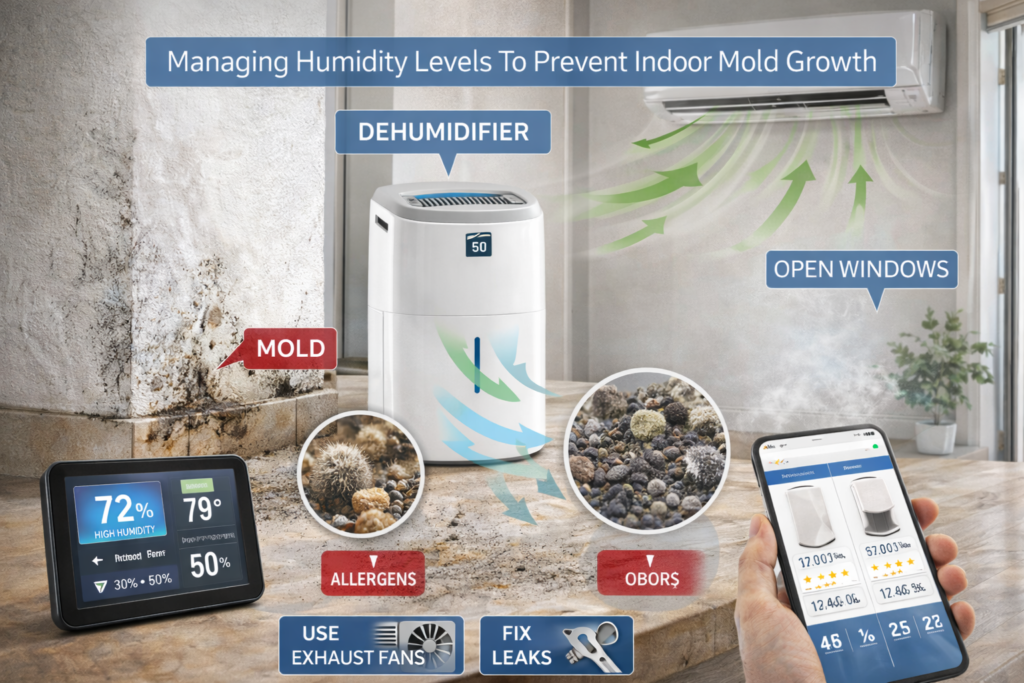
To manage humidity effectively and prevent indoor mold growth, it’s essential to first understand how much moisture is present in your Dubai home. A hygrometer is a simple yet effective tool for measuring relative humidity (RH). It works by indicating the percentage of moisture in the air. Ideally, indoor humidity should range between 30% and 50%. Higher than this can promote mold growth, while lower levels might cause discomfort.
Regular monitoring helps you stay proactive and adjust your strategies as needed to maintain optimal RH. This could involve using dehumidifiers during Dubai’s humid seasons or running fans to circulate air in poorly ventilated areas.
Advanced systems such as Airdog X8 large-space air sanitizers and TPA X8 PRO silent air purification units can help manage humidity to prevent indoor mold growth by filtering out moisture-laden particles. These devices use state-of-the-art technologies like Micropure PCO™ to break down mold spores and VOCs, ensuring that your indoor environment in Dubai remains clean and healthy.
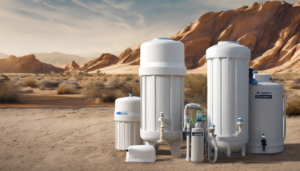
For whole-home solutions to prevent indoor mold growth, consider systems like the Aquaporin A2O® Pure DWRO® which not only filter water but also manage moisture levels in humid conditions. These integrated approaches provide a comprehensive solution for maintaining optimal RH throughout your Dubai living space.
Here are some practical tips to help you manage humidity and prevent indoor mold growth:
Q: How can I tell if my Dubai home has a mold problem?
A: Common signs include musty odors, visible discoloration or growth on surfaces, and water stains. Regular inspection and testing with a hygrometer can help identify issues early to prevent indoor mold growth.
Q: What are the symptoms of indoor mold exposure?
A: Symptoms include respiratory problems like coughing, wheezing, shortness of breath, and nosebleeds. Skin irritation, headaches, and fatigue may also occur. If you experience these, consult a healthcare professional.
Q: How do I clean up mold safely to prevent indoor mold growth?
A: Small areas can be cleaned with soap and water. Larger areas require proper protective gear like masks and gloves. For extensive cleanup in Dubai, it’s advisable to contact professionals who have the necessary equipment and expertise.
By managing humidity levels effectively, you can significantly reduce the risk and prevent indoor mold growth while improving your home’s air quality in Dubai. Using advanced systems like Airdog X8 large-space sanitizers, TPA X8 PRO silent purifiers, and Aquaporin A2O® Pure DWRO® can provide a comprehensive solution that supports healthier living. Regular monitoring with tools like hygrometers and practical tips for managing humidity will ensure your Dubai home remains clean, comfortable, and mold-free.